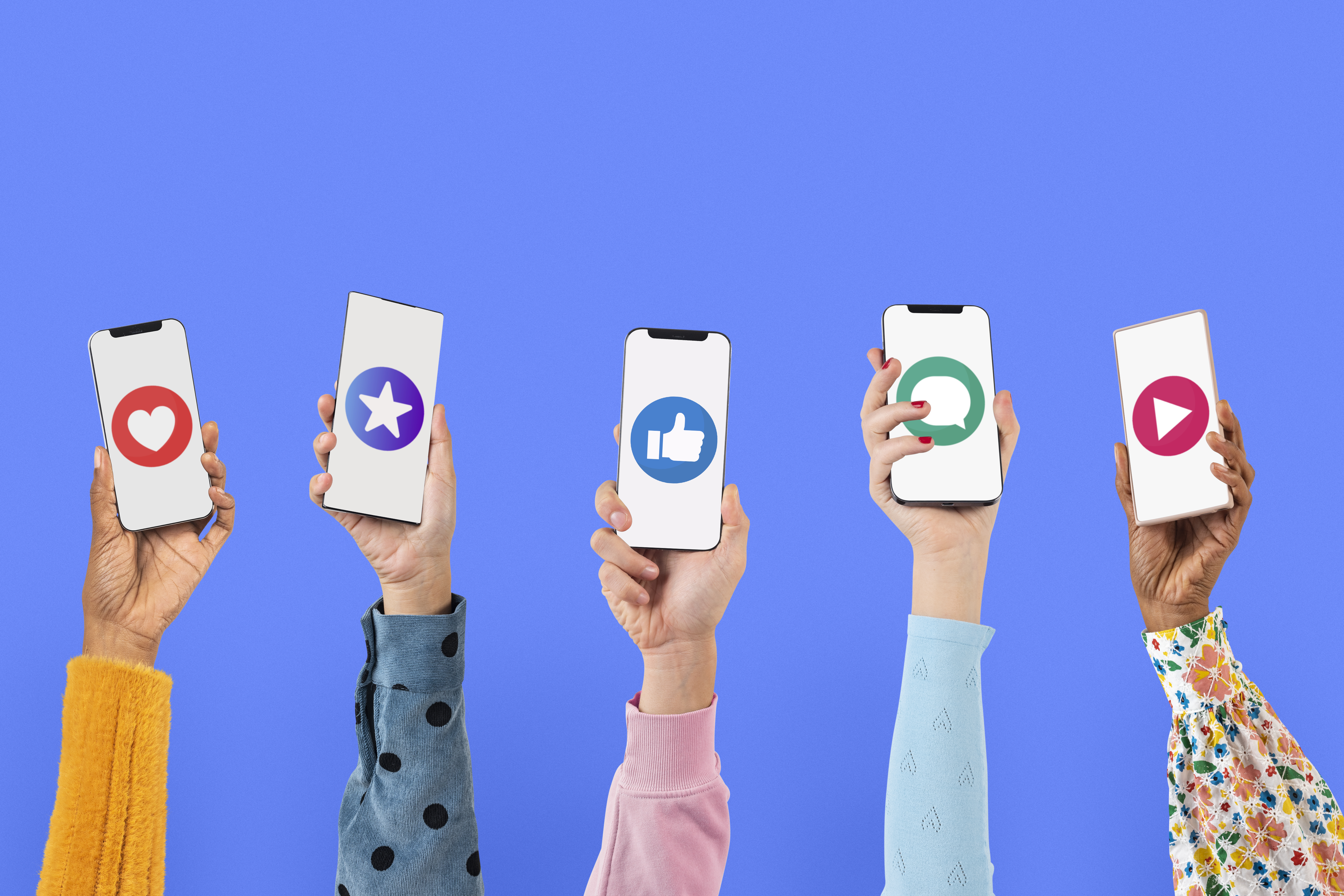
Scrolling through social media, it feels like everyone has a “life hack” that promises to make everyday problems disappear in seconds. These videos are usually short, confident, and visually convincing, which makes them easy to trust and even easier to share. As young people who spend a lot of time online, we see these hacks daily—often reposted by friends or even adults who assume they must work because they look simple and smart.
When we looked closer, we noticed that many life hacks don’t explain why they work. Some rely on clever editing, others only work in very specific situations, and some are based on misunderstandings of how technology or the human body actually works. This made us question how many of these popular tips are helpful—and how many are just entertaining misinformation.
We decided to fact-check social media life hacks because they spread extremely fast and rarely include sources. Unlike news stories, life hacks feel harmless, which makes people less likely to question them. But bad advice can still cause real problems, such as damaging devices, wasting money, or encouraging unhealthy habits. By fact-checking these trends, we wanted to show that even “small” claims deserve evidence.
Our research showed that many viral life hacks are based on partial truths. For example, some tips work in theory but are exaggerated in practice, while others confuse correlation with cause. A phone might seem to charge faster after a trick, or a drink might make someone feel healthier, but that doesn’t mean the hack works the way the video claims.
We also noticed that platforms reward content that looks impressive rather than content that is accurate. Quick results, dramatic visuals, and confident language often matter more than facts. This creates an environment where misinformation doesn’t need to be intentional—it just needs to be entertaining.
We learned that being online doesn’t automatically mean being informed. Even content that looks useful should be questioned. Fact-checking life hacks helped us understand the difference between personal experience, visual proof, and scientific evidence. Most importantly, we learned that slowing down before sharing something is one of the easiest ways to stop misinformation from spreading.
Evidence:
- American Academy of Ophthalmology. (2023). Blue light and digital eye strain. https://www.aao.org
- Harvard Health Publishing. (2020). Detox diets: Do they work? https://www.health.harvard.edu
- Mayo Clinic Staff. (2022). Health myths and facts. https://www.mayoclinic.org
- Pew Research Center. (2023). Teens, social media and misinformation. https://www.pewresearch.org
- Samsung Electronics. (2023). Proper care for mobile devices. https://www.samsung.com