
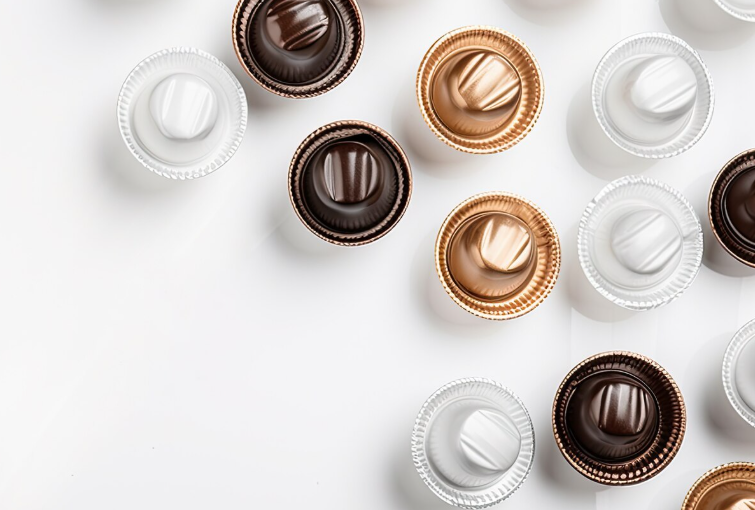
We’ve seen posts and comments online warning people to stop using coffee capsules because they supposedly “cause cancer.” These claims often mention plastics, aluminium, or “toxic chemicals” released during brewing. Because coffee capsules are used daily by millions of people, this message can sound alarming and urgent.
This topic matters because fear-based health claims can spread quickly and change everyday behaviour without solid evidence. As youth fact-checkers, we wanted to understand whether coffee capsules are actually dangerous—or whether this claim is another example of health misinformation built on partial facts.
We fact-checked this claim because it is frequently shared without sources and framed as a hidden danger that companies don’t want people to know about. The claim sounds scientific but usually doesn’t explain which substance causes cancer, at what levels, or based on what evidence. We wanted to check what food safety authorities and research actually say.
The claim that coffee capsules cause cancer is misleading. There is no strong scientific evidence showing that using approved coffee capsules causes cancer when they are used as intended.
Coffee capsules made of plastic or aluminium are regulated under food contact material laws in the EU and other regions. This means they must meet strict safety standards to ensure that any substances that migrate into food or drinks stay well below harmful levels. Safety authorities regularly test these materials.
Some concerns have been raised about substances like aluminium or trace chemicals from plastics, but exposure from coffee capsules is very low and considered safe by health regulators. Occasional studies suggesting potential risks often involve unrealistic conditions (extreme heat, damaged capsules, or laboratory simulations that don’t reflect normal use).
It’s also important to separate the capsule from the coffee itself. Coffee consumption has been extensively studied, and current evidence does not show that normal coffee drinking increases cancer risk. In fact, some studies suggest coffee may be associated with a lower risk of certain cancers.
This doesn’t mean capsules are perfect. Environmental impact, waste, and recycling are valid concerns. But claiming they “cause cancer” goes beyond what the evidence supports.
We learned that scary health claims often mix real concerns with exaggeration. Just because something contains a chemical or is processed doesn’t automatically make it dangerous. This fact-check helped us understand the role of safety regulations and why dose, exposure, and real-world use matter more than dramatic headlines.
Sources:
- European Food Safety Authority. (2020). Safety of food contact materials. https://www.efsa.europa.eu
- World Health Organization. (2018). Coffee, mate, and very hot beverages. https://www.who.int
- International Agency for Research on Cancer. (2016). IARC Monographs on the evaluation of carcinogenic risks to humans: Coffee. https://www.iarc.who.int
- European Commission. (2023). Food contact materials and articles. https://food.ec.europa.eu
- Harvard T.H. Chan School of Public Health. (2022). Coffee and health. https://www.hsph.harvard.edu